
How to distill a model that takes the next legal move
A practical setup for training a smaller model on actions the real game engine has already accepted.
Read more
Ideas, evidence, and field notes
Research, articles, case studies, and coverage from the systems we build and the worlds that inform them.
A practical setup for training a smaller model on actions the real game engine has already accepted.
Read more
What a studio has to expose in the real game before Playthrough can start: a legal-action door in the engine, why we do not start with pixels and clicks, and what that interface opens later.
Read more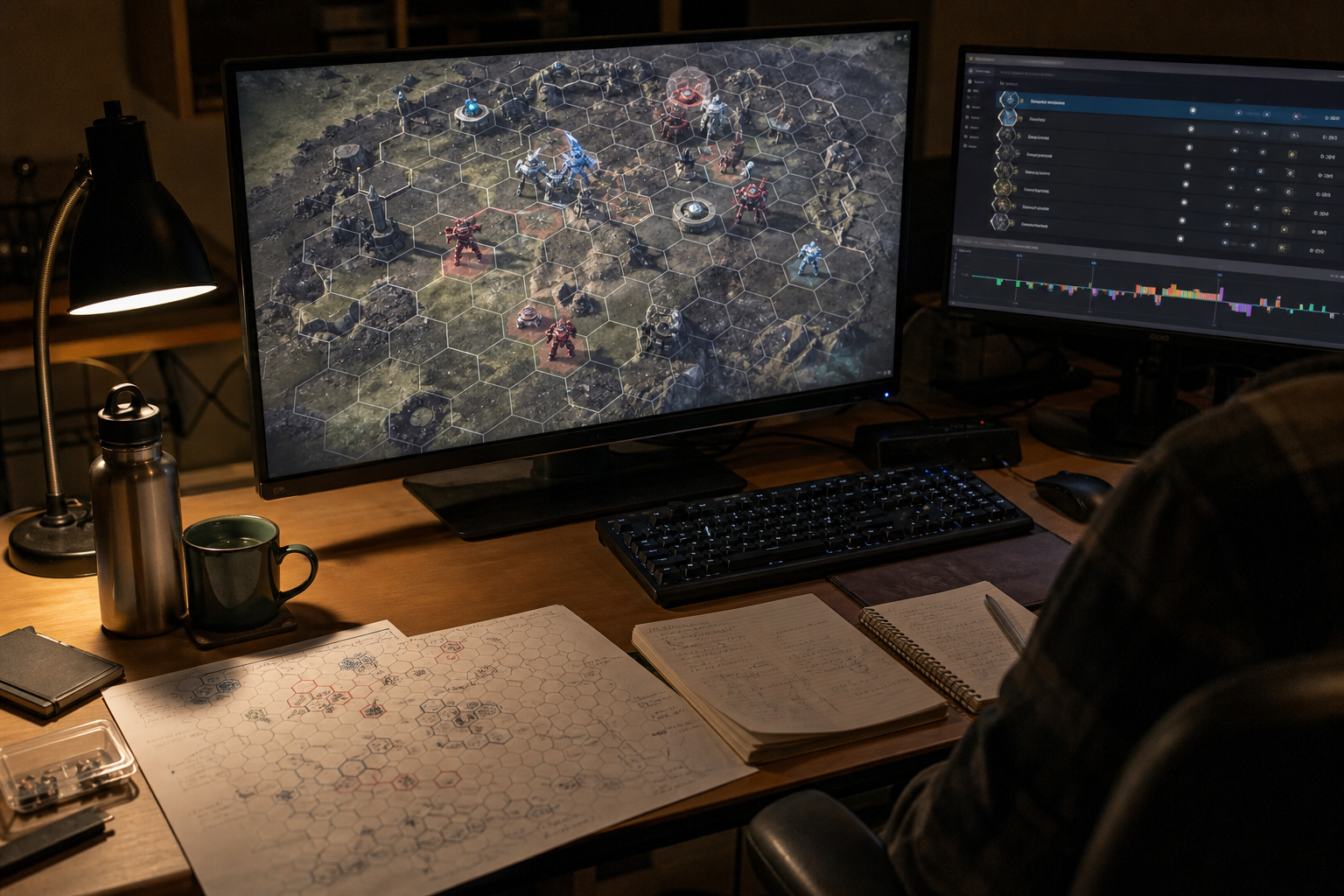
This post explains how agents that play your game like people can help design and QA from first ideas through the years after launch, and how those same agents can later become language modes, AI players in matchmaking, and a simpler way for more people to play a hard game.
Read more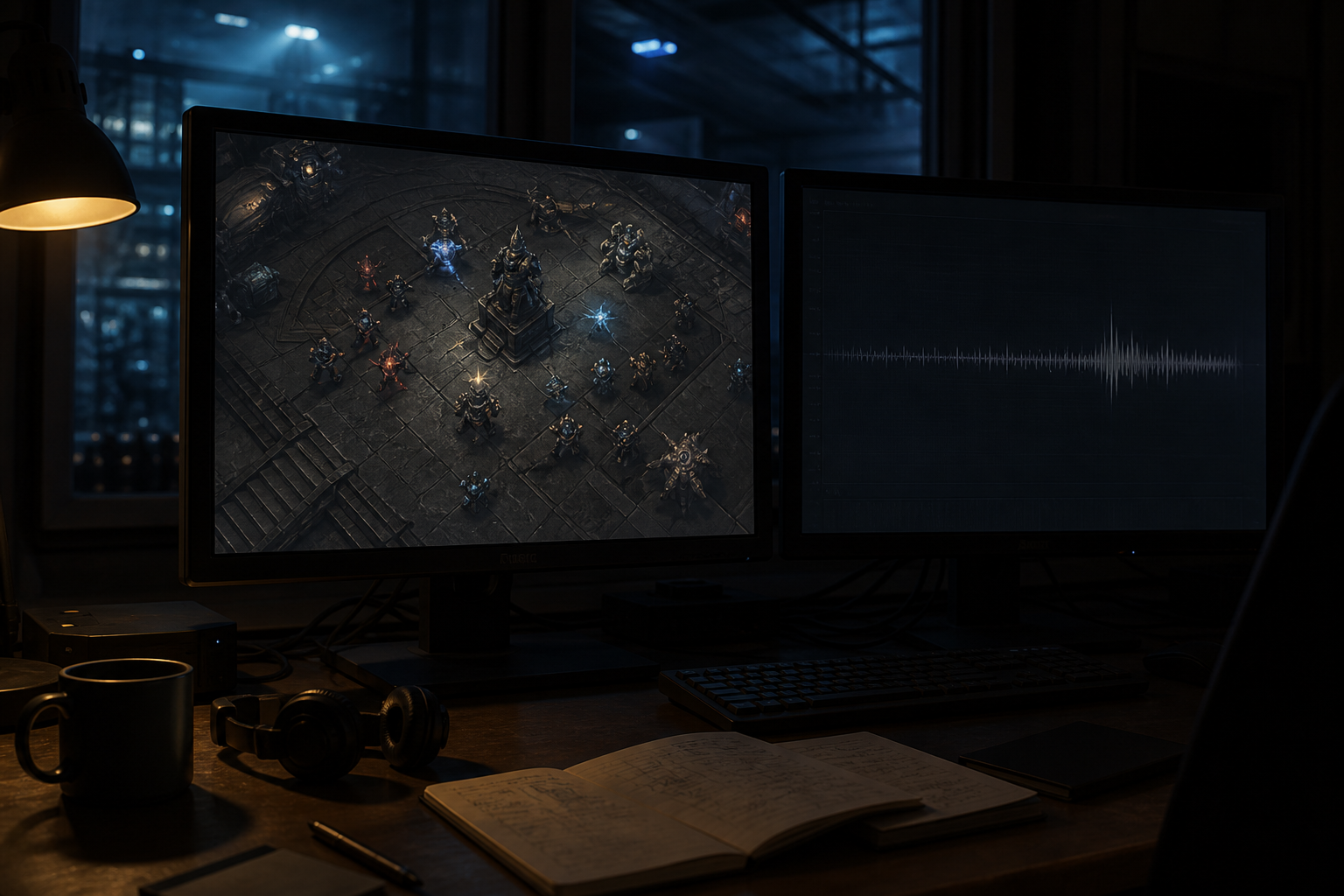
After a live patch, clips and charts arrive first. They are useful, and they are the wrong kind of evidence for most balance calls. You need matches played in the real game that a designer can open again.
Read moreHardcore games often look niche because the interface filters who can play them. Language control keeps the hard game intact and changes who can reach it, on which device, and how studios should underwrite that audience.
Read more
SpaceXAI's Grok Bot early beta is aimed at agents that finish multi-step work inside the software people already use. Our take: it is the best mass agentic workflow experience we have seen yet, and it puts Grok firmly in the running.
Read more
Frontier APIs are a fast start. At volume, latency and proprietary data push enterprises and game studios toward open weights, distillation, and models they can actually own.
Read moreMost generative 3D tools stop at texture maps. Production still needs shaders, wiring, and behavior. Generating the material means landing something editable and engine-native.
Read more